

Why Quality Craftsmanship Matters for Gifts
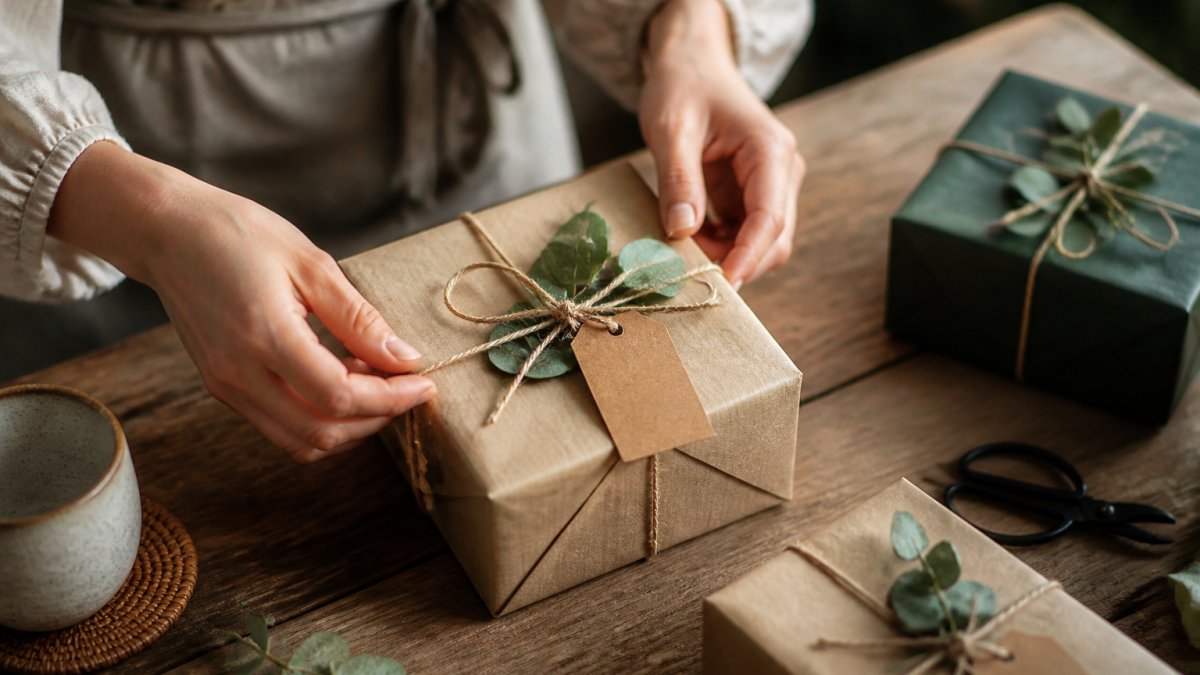
Table of Contents
- Why Quality Craftsmanship Matters for Gifts
- The Difference Between Handcrafted and Mass-Produced Gifts
- How to Choose a Quality Gift That Reflects Your Care
- Well-Crafted Gifts That Last: Building Lasting Value
- Handmade Gifts and Their Meaning in Gift-Giving
- Quality Versus Price: Understanding True Value
- Matching Craftsmanship to the Recipient and Occasion
- Care and Longevity: Preserving Your Gift’s Beauty
- Frequently Asked Questions
Last Updated: October 19, 2026
Why Quality Craftsmanship Matters for Gifts
When you give a gift, you’re sharing thought, care, and intention. Quality craftsmanship transforms a simple present into a tangible expression of how much the recipient matters to you.
At Love Me Gifts, we’ve learned that why quality craftsmanship matters for gifts comes down to one simple truth: handcrafted and thoughtfully made items carry weight that mass-produced alternatives simply cannot match. They last longer, feel better, and tell a story about the person who gave them.
The difference shows in the finishing, the materials, and how the gift ages. A well-made piece doesn’t just survive, it becomes part of someone’s life, improving with use.
The Difference Between Handcrafted and Mass-Produced Gifts
Telling genuine craftsmanship from clever marketing comes down to how a piece is made, how it’s finished, and what happens when something goes wrong.
A Practical Checklist for Assessing Craftsmanship
Use these five checkpoints to compare any two gifts side by side, whether handcrafted or mass-produced.
1. Materials and provenance
Ask what the item is made from and where those materials came from.
2. Construction and joinery
Turn the piece over and check seams, joints, and attachments.
3. Finishing
Finishing is where rushed work shows.
4. Repairability
Ask whether the item can be repaired and who would do it. A stitched leather bag can be re-stitched; a bonded-leather bag with sealed edges usually cannot.
5. Maker transparency
Look for a maker who shares their process and publishes clear repair or return policies.
When comparing two similar gifts, ask the seller one specific question, such as ‘What kind of leather is this and how is it stitched?’ The quality of the answer often tells you more than the product description.
What Mass Production Does Well
Mass production isn’t inherently bad. It makes well-designed goods accessible at lower prices, offers consistent sizing and colour matching, and can be the right choice when budget or timing demands it. The issue is when speed and margin quietly replace material quality and finishing.
The useful distinction is between a mass-produced item that is honestly made to a good standard and one that imitates craftsmanship while cutting the corners that matter. The checklist above helps you tell them apart.
The Emotional Difference, Grounded in Evidence
When a gift shows visible evidence of skill, even stitching, a smooth finish, a maker’s mark, the recipient can see that care was invested. The emotional value follows the physical evidence, not the other way around.
How to Choose a Quality Gift That Reflects Your Care
Choosing a quality gift means looking beyond the label to assess what you’re actually getting.
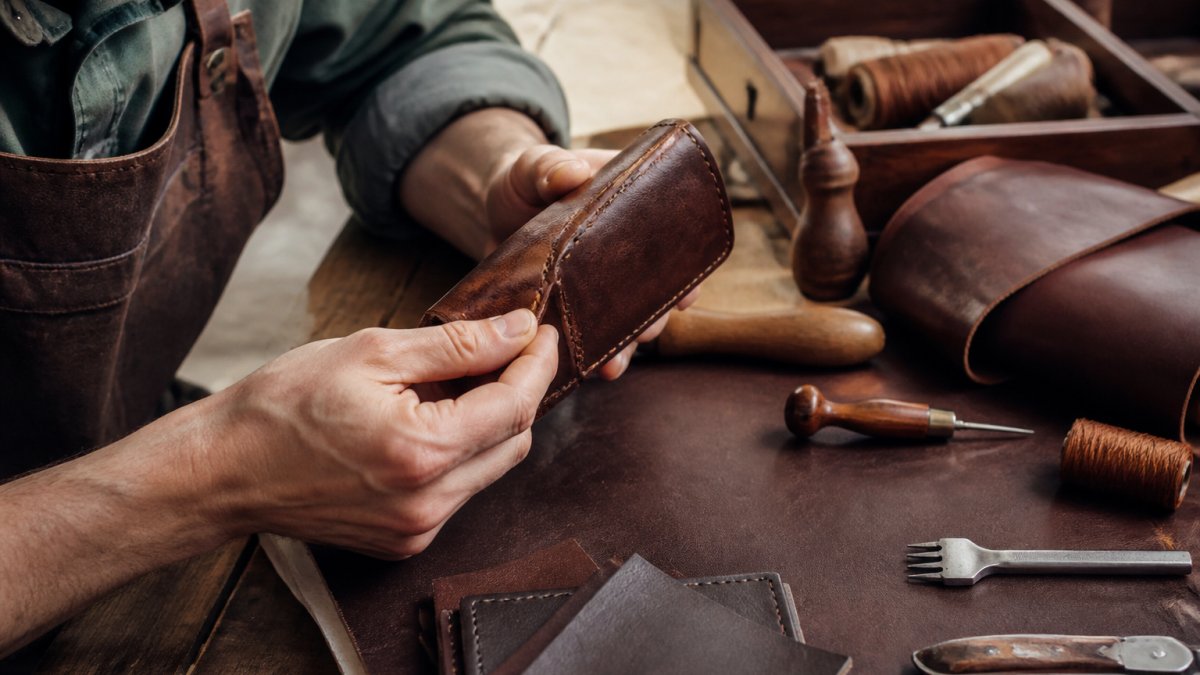
Assess Materials and Finishing
Start with materials. Quality gifts use materials chosen for durability and beauty, not cost-cutting.
Run your hands over the piece. Does it feel substantial? Are seams even and edges finished cleanly? Look for care in details you’ll never see, the inside of a wallet, the underside of a bowl, the back of a pendant.
Finishing separates thoughtful gifts from rushed ones. Rough edges, uneven paint, loose threads, or visible glue lines signal speed over quality; smooth finishes, consistent colouring, and tight construction signal skill and care.
Evaluate the Maker’s Reputation
You don’t need to know the maker personally, but you should know something about their practice.
- Stand behind their work (clear policies on repairs, replacements, or refunds)
- Use consistent materials and methods
- Have customers who return for more
If a maker won’t explain what they do or how, that’s a warning sign, confident craftspeople are proud of their process.
Consider Longevity and Purpose
The best gift is one they’ll actually use and treasure, which means matching the item to their life.
A delicate handmade ceramic mug is beautiful, but for someone who travels constantly or has young children, it may sit unused in a cabinet. A sturdy leather wallet made to age beautifully might suit that same person perfectly.
Think about how they’ll use the gift, whether it needs to withstand daily wear, whether it matches their aesthetic and lifestyle, and whether they’ll enjoy watching it age.
Well-Crafted Gifts That Last: Building Lasting Value
A well-crafted gift doesn’t just survive, it improves over time. Quality materials age gracefully: leather develops character, wood gains patina, metals tarnish in ways that add depth rather than decay.
Durability is part of the equation, but so is meaning. A gift that lasts physically but feels impersonal loses value over time; one made well and chosen thoughtfully becomes more meaningful as years pass. When someone uses a quality gift regularly, it becomes woven into their life, the pen they write with, the bowl they eat from, the piece they wear.
Handmade Gifts and Their Meaning in Gift-Giving
Thoughtfully curated gifts carry a different weight than anything mass-produced, partly practical, since they’re often more durable, but mostly emotional.
When you give a thoughtfully curated gift, you’re saying someone invested time, chose materials carefully, and thought about you while selecting it. Thoughtfully curated items can also be chosen to suit exactly who someone is, and that specificity feels like genuine care. There’s honesty in thoughtfully curated work too: you can see the care in the selection, the choices, the effort, with nowhere to hide behind marketing or packaging.
Quality Versus Price: Understanding True Value
Thoughtfully curated gifts often reflect genuine quality, not just marketing. Understanding true value means looking beyond the price tag:
- Material cost: Quality materials cost more. A leather wallet made from full-grain leather costs more than one made from bonded leather, and it will outlast it by years.
- Accountability: A business that stands behind its work has to price accordingly. They can’t cut corners without risking their reputation.
- Longevity: A gift that lasts twice as long is genuinely cheaper over time, even if the upfront cost is higher.
The real question isn’t “Is this expensive?” but “Will this gift still matter in five years?” If the answer is yes, the price is usually justified.
Love Me Gifts focuses on gifts that hold their value over time, where the investment reflects genuine quality, not just marketing, the difference between spending more and spending well.
Matching Craftsmanship to the Recipient and Occasion
Not every thoughtfully curated gift is right for every person. Part of showing care is choosing something that actually suits who they are.
Consider the recipient’s lifestyle: someone who values practicality might treasure a well-made everyday item more than a decorative showpiece, while someone who loves beauty might prefer something visually stunning, even if it’s delicate.
The best gifts reflect both the quality of the item and your knowledge of the person receiving it.
Care and Longevity: Preserving Your Gift’s Beauty
Durability isn’t just a feature of a well-made gift; it’s something the recipient participates in. A gift that’s cared for properly can last for decades, while the same item neglected can fail within a year. Here’s material-specific care guidance and a realistic framework for repair versus replacement.
Material-Specific Care Basics
Different materials need different treatment. These are general starting points, but always follow the product’s instructions first, because finishes and treatments vary.
- Leather: Keep it away from prolonged direct sunlight and damp. Wipe with a soft dry cloth, condition sparingly with a product suited to the finish, and let it dry naturally rather than using heat. Full-grain leather develops a patina with use; bonded leather tends to crack and cannot be restored the same way.
- Solid timber: Avoid standing water and rapid humidity swings. Dust with a soft cloth, use coasters and trivets, and re-oil or re-wax only when the surface starts looking dry. Solid timber can usually be sanded and refinished; veneered board often cannot.
- Ceramics and stoneware: Check whether the piece is dishwasher and microwave safe before assuming. Hand-washing is gentler on glazes and extends the life of handmade pieces. Avoid thermal shock, such as pouring boiling water into a cold pot.
- Textiles: Follow the fibre and dye instructions. Natural dyes may fade in strong sunlight, and some hand-woven items should be hand-washed or dry-cleaned. Store folded rather than hung where weight could distort the shape.
- Metals: Sterling silver and brass tarnish naturally. Gentle polishing restores shine, but abrasive polishes can remove plating on plated items. Store jewellery dry and separate to avoid scratches.
Don’t assume ‘handmade’ means ‘indestructible’. Delicate handmade ceramics, for example, may be less suited to daily use than a sturdy mass-produced alternative. Match the care regime to how the recipient will actually use the gift.
Repair Versus Replace: A Simple Framework
Before replacing a damaged gift, ask three questions:
- Can it be repaired by the maker or a local specialist? Many craftspeople offer repair services, and a repair often costs far less than a replacement. A re-stitched bag or a re-soled shoe can add years of use.
- Does the repair preserve the item’s character? Visible repairs, such as a patch or a re-soldered joint, can become part of the object’s story. That’s often a feature of well-made gifts, not a flaw.
- Is the item designed to be repairable? Stitched construction, solid timber, and replaceable components make repair realistic. Sealed, glued, or bonded construction often makes repair uneconomical.
If the answer to the first question is yes and the item is designed to be repairable, repair is usually the better choice, both financially and emotionally. If the item was never designed to be repaired, replacement may be the honest answer, and that’s useful information to have before you buy.
Care as Part of the Gift
A thoughtful giver can make care easier by passing on the product’s care instructions, including a small note about how to clean and store the item, or by choosing gifts the recipient can realistically maintain.
That’s the practical link between craftsmanship and longevity: the quality is provided, and the recipient’s care determines how long it endures. A gift that’s well made and well cared for becomes more meaningful over time, carrying the marks of use and attention rather than simply surviving in a cupboard.
Frequently Asked Questions
How can you tell if a gift is well made?
Look for consistent stitching or joining with no loose threads, gaps, or rough edges. Quality materials feel substantial and age gracefully rather than crack or fade quickly. Check how components fit together, drawers should glide smoothly, clasps should feel secure, and seams should be even. Handcrafted items often show visible evidence of skilled workmanship: slight variations that prove human care, not factory uniformity. Research the maker’s background and read reviews from previous buyers about durability.
Why do handmade gifts feel more meaningful than mass-produced alternatives?
Thoughtfully curated gifts carry intention and care into every detail. When you give a thoughtfully curated item, you’re sharing not just an object but the care invested in its selection. Recipients sense this difference, they recognise the thought behind selecting something special rather than produced by the thousands. This emotional connection strengthens the bond between giver and receiver, transforming a gift from a transaction into a gesture of genuine affection and respect.
Does a well-crafted gift last longer than a cheaper alternative?
Yes, quality craftsmanship typically means longer lifespan. Well-made items use superior materials, precise construction, and attention to stress points that cheap alternatives ignore. A handcrafted leather wallet, for example, may serve for decades if cared for, whilst mass-produced versions often fail within months. This durability means your gift retains its beauty and function, becoming a lasting reminder of your thoughtfulness rather than ending up discarded. Over time, quality gifts often represent better value despite higher upfront costs.
What should you look for when choosing a quality gift for someone?
Start by understanding the recipient’s lifestyle, tastes, and needs. Choose items made from materials that suit their daily routine, durable leather for someone active, delicate ceramics for someone who appreciates home décor. Verify the maker’s credentials and read customer feedback about longevity. Consider how the gift will age: does it improve with use, or will wear diminish its appeal? Finally, ensure the gift aligns with the occasion and your relationship. A thoughtfully selected, well-crafted piece shows you’ve invested genuine care in the choice.
Choosing the right gift is about more than finding something nice. It’s about showing someone they matter through what you select and how you care for it. Quality craftsmanship, whether in materials, design, or construction, makes that message clear and lasting. At Love Me Gifts, we curate pieces that embody that philosophy, so every gift you give carries genuine weight and meaning. Shop now and discover gifts designed to last in both beauty and emotional value.
